Following the enforcement of the Class Licence for Application Service Providers (ASP (C)) on January 1, 2026, Malaysia has entered a new regulatory era, necessitating a fundamental shift in how brands approach social media engagement.
Far more than a mere compliance hurdle, this shift presents a strategic advantage, empowering marketers and business owners to leverage enhanced brand safety and build campaigns rooted in verifiable trust.
Let’s explore how you can leverage social media licensing in Malaysia to craft campaigns that build consumer trust while staying on the right side of the law.
Table of Contents
The New Rules of Engagement (Post-Jan 1, 2026)
The introduction of the ASP(C) licence marked the end of an era where social media platforms operated with minimal oversight.
Under this new regulatory framework, social media companies are now legally required to ensure that the content shared on their platforms adheres to MCMC guidelines (Malaysian Communications and Multimedia Commission).
What This Means for Your Campaigns
One of the most significant impacts of this regulation is that the algorithms behind platforms like TikTok, Facebook, and Instagram now prioritise content that aligns with these guidelines.
In simpler terms, compliance is the new baseline for success in 2026. Content that violates these rules will be throttled, not boosted.
To optimise your digital strategy, you may want to start with a corporate website that reflects these new standards, ensuring your online presence stays in line with the latest rules.
The Trust Dividend: Why ‘Brand Safety’ is Your Best Asset in 2026

Platforms are now legally accountable for harmful content such as online scams, cyberbullying, and misinformation.
This regulation ensures that ads will no longer appear next to potentially damaging content, such as scams or illegal gambling posts. As a result, brands can advertise in a safer and more trustworthy environment.
Turning Safety Into a Strategic Advantage
This presents an opportunity for marketers to highlight brand safety in their campaigns. Instead of worrying about your ads showing up next to inappropriate content, you can confidently promote the fact that your brand adheres to these new brand safety standards.
To achieve this, investing in a tailored social media marketing strategy will give you the edge in a compliant landscape. Don’t hesitate to start building a safer brand presence today.
When planning your 2026 campaigns, consider including “Brand Safety Optimisation” in your media buying strategies.
By leveraging the platforms’ new verified environments, you can enhance consumer trust in your brand.
You can explore effective strategies for local brands’ social media to ensure your message resonates while staying compliant. Along with that ,don’t forget to create compelling video content for social platforms to engage your audience effectively while adhering to the rules.
The Rise of “Liability-Free” KOL Partnerships
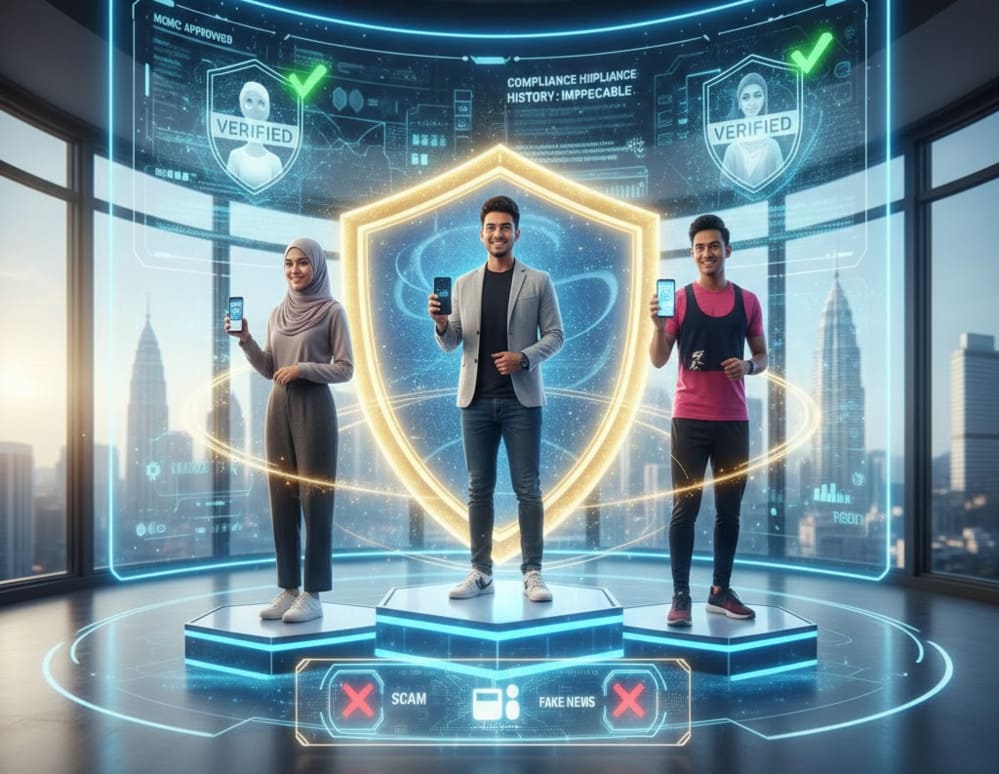
The enforcement of the ASP (C) Class Licence has fundamentally altered the influencer economy, turning non-compliant creators from marketing assets into potential legal liabilities.
a. Influencers Under Scrutiny
Influencer marketing has experienced a paradigm shift with the introduction of stricter content regulations. Platforms now ensure that influencers who post misleading or unverified claims are held accountable, making them high-risk assets for brands.
b. Vetting Influencers in 2026
In the past, a high follower count was enough to make an influencer attractive. Now, it’s about their compliance history. Marketers must ensure that influencers follow MCMC’s content guidelines and adhere to the platform’s new authenticity protocols.
2026 Influencer Safety Checklist:
- Has the influencer ever been flagged for misinformation?
- Do they follow MCMC content guidelines?
- Are they verified under the platform’s authenticity protocols?
By establishing clear standards, brands can ensure that they work with influencers who can deliver their messages without risking misinformation or non-compliance.
For brands looking to implement a secure influencer strategy, you might consider leveraging SEO Services to ensure your content reaches the right audience while maintaining compliance.
Guardians of the Feed: Elevating Community Management to Compliance Defense
Under the new regulations, brands hosting online communities (e.g., Facebook Groups or Instagram comment sections) now share the responsibility of moderating content.
This is about maintaining a safe and compliant environment for users.
How to Stay Compliant in Community Management
Brands need to adapt their community management strategies. AI-powered moderation tools, capable of flagging sensitive content related to 3R (Race, Religion, Royalty), are essential in ensuring compliance.
To better protect your brand, consider integrating a content marketing approach that focuses on creating quality, compliant content for your community.
Engagement is essential, but safety is mandatory. Relying solely on human moderators is a liability in today’s digital landscape. Brands must leverage AI filtration systems to automatically detect and scrub harmful content, ensuring their community platform is a safe harbor, not a regulatory risk.
The “Kill Switch” Protocol for Crisis Management
With the new licensing regime enforcing strict timelines for content removal, the difference between a minor oversight and a regulatory violation is now measured in minutes
a. Speed is Crucial in Crisis Response
One of the key aspects of Malaysia’s new regulations is the emphasis on rapid content removal. If your campaign faces a backlash, you have limited time to react. Platforms are now required to take down harmful content within minutes, not days.
b. How to Prepare for a Crisis
Developing a Kill Switch protocol should be a priority in your 2026 campaigns. This involves having a rapid response plan in place to address any content flagged as harmful or offensive under the new regulations.
Preparing for potential crises involves staying compliant across all platforms, so consider implementing Facebook Ads and Instagram Ads that adhere to the new standards, ensuring safe, fast content delivery.
Data Ethics & The Trust Economy
In addition to content moderation, Malaysia’s social media licensing requirements are closely linked with stricter enforcement of personal data protection laws.
With consumers becoming increasingly concerned about how their personal information is used, transparent data practices can significantly enhance trust in your brand.
By adhering to data protection rules and openly declaring how user data is collected and used, brands can build stronger relationships with consumers.
This transparency will be key in winning higher conversion rates in the 2026 digital landscape.
The Personal Data Protection Act (PDPA) and MCMC’s data guidelines go hand in hand. As part of the licensing framework, brands that are transparent about their data privacy practices will stand out and foster greater consumer trust.
To maximise the impact of these practices, brands can explore Google Ads and email marketing strategies that align with data protection guidelines, boosting conversion rates.
For example, planning and scheduling your posts with a social media calendar ensures that your content respects privacy guidelines and aligns with the MCMC regulations.
Embrace Compliance, Build Trust, and Drive Higher ROI Today
Malaysia’s 2026 social media licensing framework has reshaped the digital environment, and brands that adapt early will enjoy stronger credibility, safer engagement, and better campaign performance.
Compliance now signals reliability, not restriction, and serves as a clear advantage in a market that values transparency and responsible digital behaviour.
Strong brand safety practices, careful influencer selection, active community moderation, and a clear crisis plan help your campaigns stay resilient under the new ASP(C) licensing expectations.
This shift rewards brands that prioritise trust and uphold the standards set by the MCMC.
Start reinforcing your digital presence by investing in a digital marketing agency that can guide you through this transformative time.
Related Reading :
- Top 10 Best Social Media Management Agencies in Malaysia
- Top 10 Social Media Trends in Malaysia for 2026
- Top 10 Social Media Management Tools for Businesses in 2026
Frequently Asked Questions