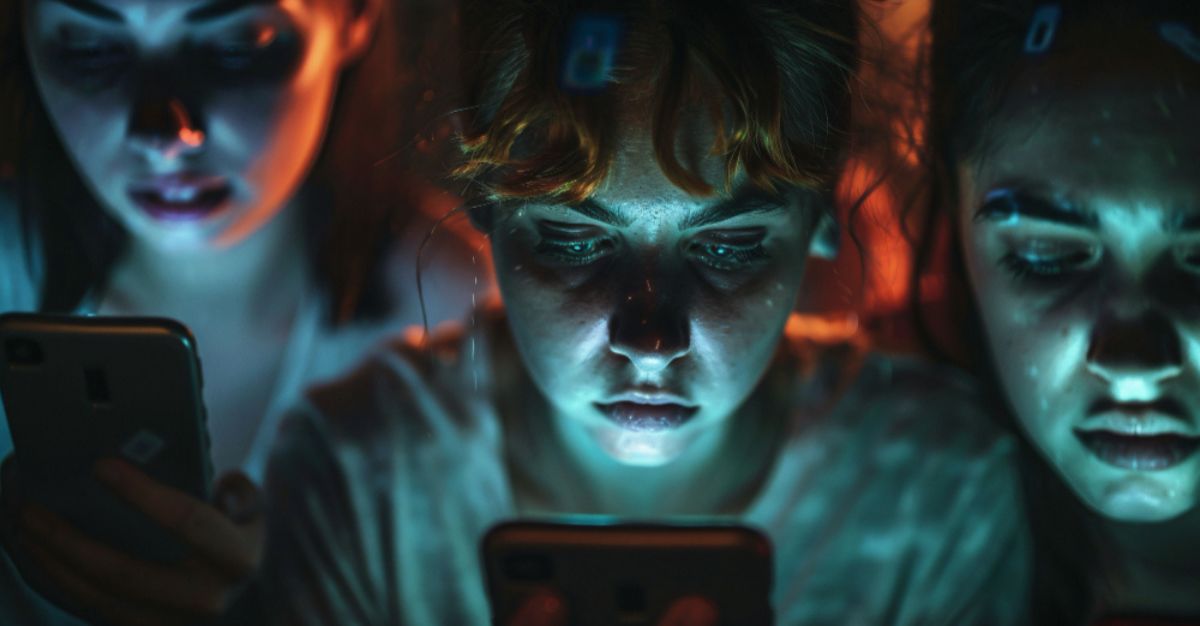
TikTok scrolling runs on autopilot now. Thumbs move. Minds drift. Attention exists, intention barely does. This shift defines scrolling behaviour in TikTok in 2026, where content gets absorbed mid-motion, not actively chosen.
What stops the swipe feels small. A pause. A familiar scene. A moment that feels real enough to stay. Loud hooks fade fast. Polished scripts slip past.
Psychology now sits inside the scroll. Behaviour shapes discovery. Emotion decides recall. Content that feels lived in earns time. Everything else vanishes.
Table of Contents
The Rise of the Zombie Scroller
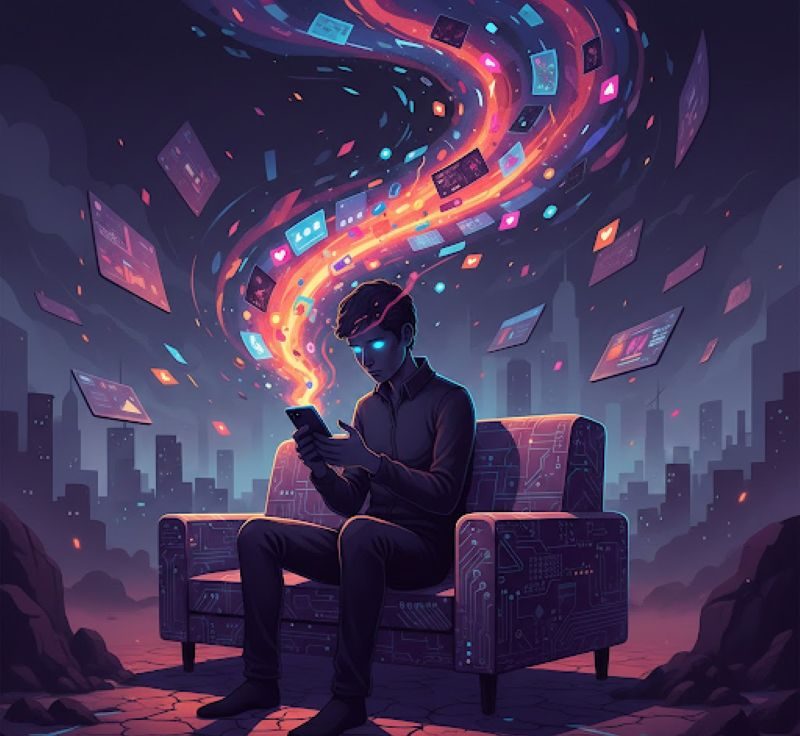
According to the research, tracking 1,100 TikTok users across six months revealed something unsettling: occasional users doubled their daily watch time to 70+ minutes whilst power users maintained four-hour sessions.
Both groups opened the app more frequently. Casual users hit eight session starts per day whilst heavy users reached 20.
| Zombie Scroller Characteristics | 2026 Data |
| Average daily watch time | 55 minutes 48 seconds |
| Monthly time spent | 34 hours |
| Daily app opens | 8-20 times |
| Average session length | 10.85 minutes |
| Teen usage (U.S.) | 87 minutes daily |
Scrolling behaviour in TikTok now runs on habit, not interest. Curiosity fades early. Muscle memory takes over. Users keep swiping even when the feed feels familiar or flat.
The Washington Post’s analysis found that both user groups swiped through videos faster over time, a clear sign of passive consumption replacing active engagement..
People swipe faster over time. Speed replaces choice. Passive viewing replaces active engagement.
Researchers describe this state as an entertainment spiral. Users know they should stop, yet the next swipe feels tempting enough to continue. One more video always feels close.
TikTok’s For You page recommendation system fuels this loop. Hyper personal feeds create a “flow experience”, low effort flow state. Traditional flow needs focus and challenge. TikTok removes both. What remains feels smooth, easy, and endlessly rewarding.
Platform comparisons back this up. Users rate TikTok as:
- Easier to use
- Faster to reward
- Better at surprise
Effort drops. Consumption rises. The scroll keeps going.
TikTok marketing strategies must account for this zombie state. Your content competes with an algorithm designed to maximise time distortion, making 55 minutes feel like 10.
Zombie behaviour needs platforms built for speed, flow, and memory. That starts with the right corporate website foundation.
The Subconscious Filter: Why Your Video Dies in 1.5 Seconds

Decisions happen early. Awareness arrives later. The brain reacts before users realise a choice was made.
TikTok reads micro behaviour constantly:
- How long the thumb hovers
- A pause mid scroll
- A quick rewatch
- A slower swipe
Each signal reshapes what appears next. The feed adjusts quietly, video after video, until it feels tailor made.
Research from Baylor University points to seamless immersion as the key driver. TikTok removes friction at the very first touch. Videos start playing the second the app opens. No tap. No selection. No moment to decide.
Other platforms ask users to choose content. TikTok removes that step. The experience feels faster, smoother, almost instinctive.
Less effort pulls users deeper. The scroll flows before the brain catches up.
What Stops Zombie Scrollers:
- Visual pattern disruption (unexpected camera angles, colour shifts)
- Emotional familiarity (relatable scenarios users recognise instantly)
- Stillness in motion (pauses that break the rhythm)
- Imperfection (authentic glitches feel human)
Aggressive hooks actually trigger faster swipe behaviour in 2026. Loud music, flashy transitions, over-produced content. All signal “advertisement” to zombie scrollers who’ve developed sophisticated filtering. Their attention span for obviously promotional content sits below 0.5 seconds.
Video making now plays to the subconscious first. The hook lands before rational thought wakes up. A familiar first frame invites a swipe up. An effortful or foreign visual triggers a swipe away.
This shift explains why shadow banning TikTok algorithm patterns matter. Content that fails the one and a half second test does not only lose attention. The system quietly reduces reach. Visibility drops before creators notice anything wrong.
Subtle cues decide survival. The feed moves on fast.
The POV Hack: Making Users Live Your Brand
Point-of-view (POV) content breaks autopilot scrolling by making viewers participants rather than the audience.
User behavior data shows POV formats generate higher completion rates because they trick the brain into processing content as lived experience rather than passive media.
| Format | Why It Works |
| “POV: You just…” | Immediate identification |
| First-person camera work | Mimics human vision |
| Viewer as protagonist | Creates instant relevance |
| Lived-in scenarios | Feels unscripted |
Research on short form video Malaysia consumption links TikTok addiction to personal connection. Content that feels close pulls users deeper. POV formats fit scrolling behaviour on TikTok because they feel effortless to watch while staying highly relatable.
The TikTok search engine now prioritises POV content in discovery. Nearly one in three consumers skip Google entirely, starting searches on social media platforms instead. POV content ranks higher because it matches natural search intent—people search for experiences, not advertisements.
That’s the zombie scroller in action. POV content speaks directly to this passive consumption mode whilst still driving meaningful engagement.
Explore how a strong Newnormz, digital marketing agency builds strategies that work with scrolling behaviour, not against it.
The Dopamine Loop: Why the Brain Craves the Next Swipe
The dopamine story around TikTok feels layered. Debate continues around addiction labels, yet one pattern stays consistent. TikTok triggers reward responses through surprise, novelty, and instant payoff.
Dopamine works as a learning signal. Positive feedback trains behaviour to repeat. Each small reward strengthens the urge to keep scrolling.
Research using brain imaging highlights what happens during personalised viewing:
- Activates the mesolimbic reward system
- Stimulates the nucleus accumbens, linked to reward processing
- Engages the ventral tegmental area, linked to motivation and pleasure seeking
Personalised videos keep this loop smooth. Effort drops. Rewards arrive fast. The scroll continues almost on cue.
Micro Dopamine Principles:
These principles explain how TikTok keeps attention flowing through small emotional cues rather than big moments.
1. Small Emotional Rewards
Brief satisfying moments hold attention better than big reveals
2. Unfinished Satisfaction
Content that feels slightly incomplete keeps curiosity alive
3. Pacing Across Seconds.
Emotional beats spaced every few seconds help maintain momentum
4. Variable Rewards.
Unpredictable outcomes keep viewers engaged longer
Psychologists link this pattern to a variable reward schedule, the same principle seen in gambling behaviour. Uncertainty fuels dopamine release and trains reward seeking habits.
Awareness stays low. Most users do not realise when they slip into this loop.
As per research on internet and smartphone addiction shows Gen Z faces higher risk due to constant digital stimulation.
As of 2026, global social media users exceed 5 billion, with adolescents spending 3-4 hours daily on these platforms. An estimated 210 million individuals worldwide exhibit addictive behaviors.
Content marketing strategies must balance ethical concerns with performance realities. Screen time limits exist, but user engagement ultimately determines algorithmic success.
The Zombie Scroll: Why 50,000 Views Mean Nothing Without Memory
Most TikToks disappear from memory instantly. Research on content consumption patterns found that despite massive watch time, users recall remarkably little specific content. The zombie scroll operates at surface level, entertainment without retention.
Breaking through requires emotional tagging and identity-based recall. Content that connects to viewers’ sense of self sticks. Relatable moments become mental anchors that persist beyond the scroll.
Memory Imprint Strategies:
- Personal identity connection (speaks to who they are)
- Emotional peaks (joy, surprise, recognition)
- Useful information (solves actual problems)
- Shareable moments (worthy of dark social sharing)
Analysis of TikTok influencers Malaysia 2026 shows successful creators build consistent emotional signatures. Followers remember the feeling more than specific videos, creating brand recall that survives the endless scroll.
91% of Gen Z users have discovered something new on TikTok in the last 30 days, with 56% of all users saying they open the app specifically to discover something new.
Discovery here is ambient, starting before need becomes conscious.
This ambient discovery mode means content must work on two levels: immediate engagement for zombie scrollers and deeper resonance for memory formation.
Top TikTok campaigns Malaysia demonstrate how brands achieve both simultaneously through culturally specific references that trigger instant recognition.
The shift from mass reach to meaningful connection on social media platforms means vanity metrics matter less than lasting impression. One video that genuinely connects with 500 people beats ten videos that zombie-scroll past 50,000.
Long term recall connects content, search, and conversion. Newnormz’s SEO Services Malaysia focus on visibility that lasts beyond the feed.
Why ‘Peak Hours’ Might Be Killing Your Engagement
The best time to post on TikTok Malaysia links closely to zombie scroller behaviour. Peak scrolling shows up during transition moments. Commutes. Lunch breaks. Late night wind down. Reflex driven swiping dominates during these windows.
High traffic periods demand zero thinking effort. Users scroll on autopilot while standing on trains or squeezing time between tasks. Content competes against muscle memory, not attention.
Off peak slots tell a different story. Fewer sessions, longer watch times. Users open the app on purpose and stay longer. Complex or story led content performs better here, where active viewing replaces passive scrolling.
Timing matters even more at neighbourhood level. Local SEO supports discovery when attention shifts off the feed.
| Zombie Mode Indicators | Strategic Response |
| High session starts, short duration | Ultra-fast hooks, emotional punches |
| Long continuous scrolling | Pattern breaks, visual disruption |
| Passive evening browsing | Relatable, low-effort content |
| Deliberate morning checks | Educational, value-driven videos |
Algorithmic systems learn personal zombie patterns. Some users swipe fastest in the early evening. Others drift into peak mindlessness closer to midnight. The feed adjusts quietly, serving content that matches each user’s usual engagement state.
This opens room for smarter timing:
- High energy entertainment fits peak zombie hours
- Thoughtful social media marketing content performs better during quieter windows
- Active viewing rises when session frequency drops and watch time stretches
Timing works best when content effort matches user mindset.
Break the Scroll or Join It
Zombie scrolling stays part of TikTok’s DNA. The platform rewards effortless, reflex driven behaviour. Push against it and the content fades. Work with it and results follow.
Effective TikTok content leans on micro dopamine cues, POV framing, and memory hooks that act before conscious thought kicks in. The first one and a half seconds decide the outcome. Zombie scrollers react on instinct. Shape that instinct in your favour.
Newnormz builds TikTok strategies tuned for the 2026 attention economy. Our approach maps scrolling behaviour on TikTok to real actions that drive recall, trust, and conversion.
Turn scrolling behaviour on TikTok into measurable growth. Start with flexible SEO Packages.
The scroll never stops. Make it work for you.
Frequently Asked Questions