
Buyers behave very differently today. Many browse ideas quietly on social media platforms, observe brands before engaging, and absorb a steady flow of content in their own time.
These silent patterns leave a wide trail of social media signals that reveal intent, interests and readiness.
This shift explains why digital teams place a stronger focus on social signals SEO and data-driven marketing.
Social behaviour gives early clues about what a target audience wants, what they care about and which topics spark deeper exploration.
When these signals reach the data warehouse, personalisation becomes sharper and more meaningful. A B2B Data Mesh supports this flow of insight across teams.
Marketers gain access to richer context, sales teams receive clearer intent information and strategists build campaigns with more confidence. The entire customer journey starts to feel more intuitive.
Table of Contents
The Digital Buying Shift Revealed Through Social Signals
Silent research phases are common among B2B buyers, and LinkedIn’s B2B Institute highlights how these early digital footprints often forecast pipeline acceleration..
Social signals offer a map of these early steps.
Marketers learn about:
- Pain points based on questions inside comment threads
- Preferred topics through recurring user engagement
- Urgency by examining content interactions across short time periods
- Competitor consideration based on brand mentions or content sharing
These insights guide social media marketing teams who build campaigns that feel more aligned with audience needs.
They also help content marketing teams discover which messages achieve stronger engagement rates. Social media engagement becomes a guide rather than a vanity metric.
For teams tracking behaviour shifts across platforms, the latest insights on social media trends Malaysia offer useful direction on where B2B attention is moving in 2026.
What Social Media Signals Reveal About Buyer Intent
Different behaviours reveal different layers of interest. Marketers usually look for patterns such as:
- Engagement levels on posts that mention key product features
- Comment sentiment around industry challenges
- Follower growth after major announcements
- Topic clusters that consistently attract attention
- Social proof emerging through user-generated content
- Dark Social discussions captured through community referrals
Each signal helps shape a stronger digital marketing strategy. Several organisations in the B2B Institute research pool saw improved conversion rate when they included these signals inside their segmentation model.
Although results differ across industries, the insight strengthens campaign planning.
These social media signals also guide search engine optimisation because they highlight terms that matter to an audience.
Brands looking to reinforce this connection between behaviour signals and discoverability often strengthen their search foundations through structured SEO Services Malaysia that support clearer visibility.
Social signals SEO becomes especially useful when teams work on improving search engine results pages performance, content visibility or organic traffic.
As teams work to align messages with these patterns, some also refine their workflow through structured social media marketing practices that help maintain clarity across platforms.
A Simple View of the Marketing Data Mesh
A technical explanation of a data mesh can feel heavy. A marketing-first version is easier to understand. Think of it as a connected ecosystem where all marketing data flows freely:
- Ads and campaigns
- CRM records
- Social media analytics
- Website traffic patterns
- Content performance
- Brand mentions
Teams share the same view of the customer. Every department sees the same behavioural picture. The data warehouse becomes a trusted centre of truth that improves search engine visibility and helps refine search rankings.
This creates a more cohesive journey where:
- Social media profiles connect with CRM data
- Search engine results feed into content marketing strategy
- Social sharing patterns influence content distribution decisions
- Search algorithms and engagement metrics reveal which topics need amplification
The ecosystem works smoothly because each team contributes insight that supports the wider experience.
A clear digital hub supports this ecosystem as well, which is why many organisations refresh their online structure through corporate website or Ecommerce website development tailored to analytics-driven decisions.
Integrating Social Media Signals Into the Data Warehouse
Marketers can approach this in practical steps.
Step 1: Identify valuable signals
These include social proof indicators, engagement rates and social media followers that match ideal customer profiles.
Step 2: Map signals to existing segments
Segments include buyer stages, industry categories, location categories like local SEO zones or key account lists inside ABM programmes.
Step 3: Sync data across marketing tools
Teams use available analytics tools that capture social media analytics, brand visibility shifts and audience reach patterns.
Teams looking for practical ways to streamline this process can explore modern social media management tools that simplify tracking, scheduling and signal collection.
Step 4: Translate signals into personalised activity
The insight guides email flows, ad triggers, content themes and social media campaigns that match what people currently explore.
A structured social media calendar also helps teams turn these signals into consistent, well-timed content that matches real audience behaviour.
This approach supports link building strategies too, as social sharing increases visibility and encourages backlinks that strengthen domain authority and organic search rankings.
Using Social Signals to Power Hyper-Personalised Campaigns

Social signals help shape content that speaks directly to what people want. Examples include:
- Ad messages that shift according to recent engagement
- Landing pages that present different content blocks based on visitor activity
- Nurture journeys influenced by brand mentions across social media platforms
- Email sequences triggered by interaction with specific video topics
These actions encourage stronger user engagement and help improve click-through rate (CTR) during campaigns. High-quality engaging content performs better because it mirrors real interests.
Shareable content reinforces this cycle because it invites social sharing, leading to wider content distribution.
A simple example can be seen in LinkedIn Conversation Ads. Advertisers who target audiences based on recent interaction with specific industry posts tend to see better search performance and stronger conversion rate.
This reflects how closely social intent aligns with campaign readiness.
How to Measure Success Using a Social-Signal Data Mesh
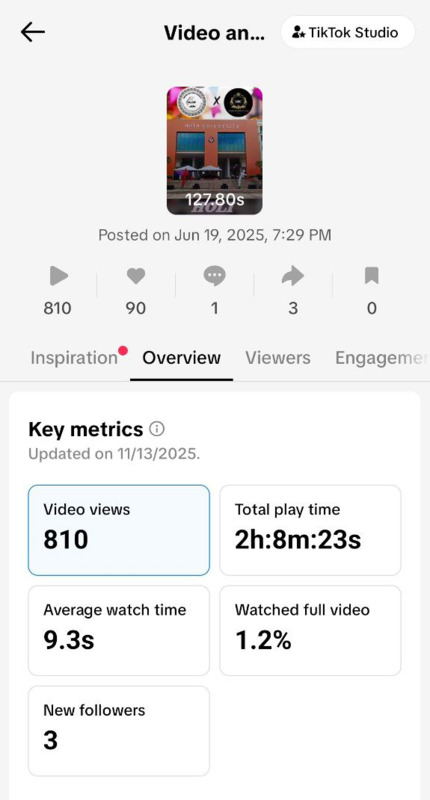
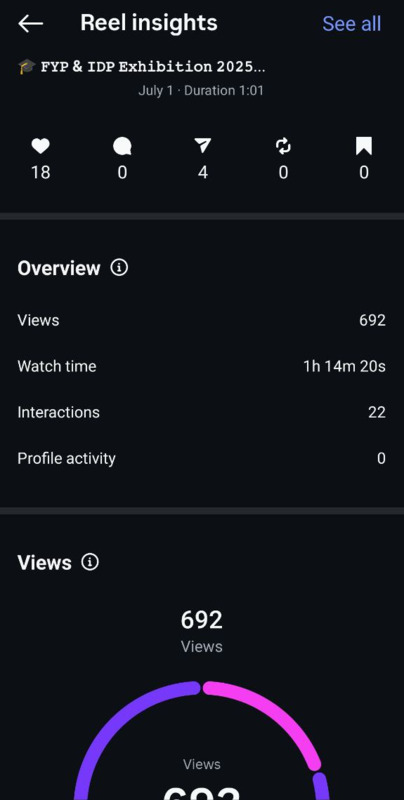
Marketers focus on measurements that reflect actual movement across the buyer journey.
| Metric | What It Shows |
| Lead scoring accuracy | Impact of social behaviour inside CRM |
| CTR improvement | Effectiveness of personalised messaging |
| Lower CPL | Targeting efficiency |
| ABM activity uplift | Account interest levels |
| Shorter cycles | Strength of intent-based nurturing |
| Organic traffic uptrend | Social signals reinforcing search visibility |
Each metric supports search engine optimisation efforts because it strengthens the connection between social behaviour and search visibility.
When certain themes consistently show strong engagement, teams often extend visibility using Google Ads, remarketing via Google Display Ads, or product-focused visibility using Google Shopping Ads.
Teams that want clarity on which indicators matter most can refer to this breakdown of essential social media metrics to benchmark performance more accurately.
Turning Social Signal SEO Chaos into Clarity: Common Challenges and Smart Fixes
Navigating social signal data can be messy, but with the right systems in place, even the most common roadblocks become manageable.
Challenge 1: Data overload
With so much data coming in, it can be difficult to manage and make sense of everything.
Solution: Use lightweight automation tools to clean and organise the data, making it easier to work with.
Challenge 2: No consistent tagging
When tags aren’t used consistently, it’s hard to track and analyse social media campaigns effectively.
Solution: Develop a clear labeling system that aligns social media posts with your content themes for better organisation..
Challenge 3: Platform silos
Sales and marketing teams often work in isolation, making it difficult to share insights across platforms.
Solution: Build shared dashboards that both teams can access, allowing for better collaboration and data visibility.
Challenge 4: Raw signals feel unclear
Raw data signals can be vague and hard to interpret, making it challenging to identify key trends.
Solution: Apply simple scoring based on engagement metrics or follower growth to clarify the data and help make informed decisions.
This helps teams track social signals, improve content quality and enhance content longevity across multiple touchpoints.
How Newnormz Supports Marketers Through a Data Mesh Approach
Newnormz helps digital teams translate social signals into actionable marketing steps. Our approach includes:
- Mapping social media signals into clear segments
- Building real-time dashboards that reflect audience behaviour
- Supporting ABM through personalised content workflows
- Creating playbooks for intent-driven campaigns
- Connecting content with search engine optimisation goals
Teams receive practical guidance on how to improve online visibility, refine user engagement and strengthen content marketing strategy.
When You Listen Early, You Win Big
Social signals SEO reveal intent long before buyers reach your website. Brands that capture these early clues inside their data warehouse enjoy clearer personalisation, stronger brand visibility and smoother journeys across every campaign touchpoint.
The B2B Data Mesh brings these signals together so your decisions feel informed rather than reactive.
Each interaction becomes more meaningful when content, targeting and timing align with real behaviour. Teams that embrace this approach often see better search visibility, improved organic traffic and more confident audience engagement.
Turn social signals into a competitive edge with Newnormz, the digital marketing agency built to support your growth.
Reach out to us and we will shape a Social Signal Action Plan designed around your goals.
Frequently Asked Questions