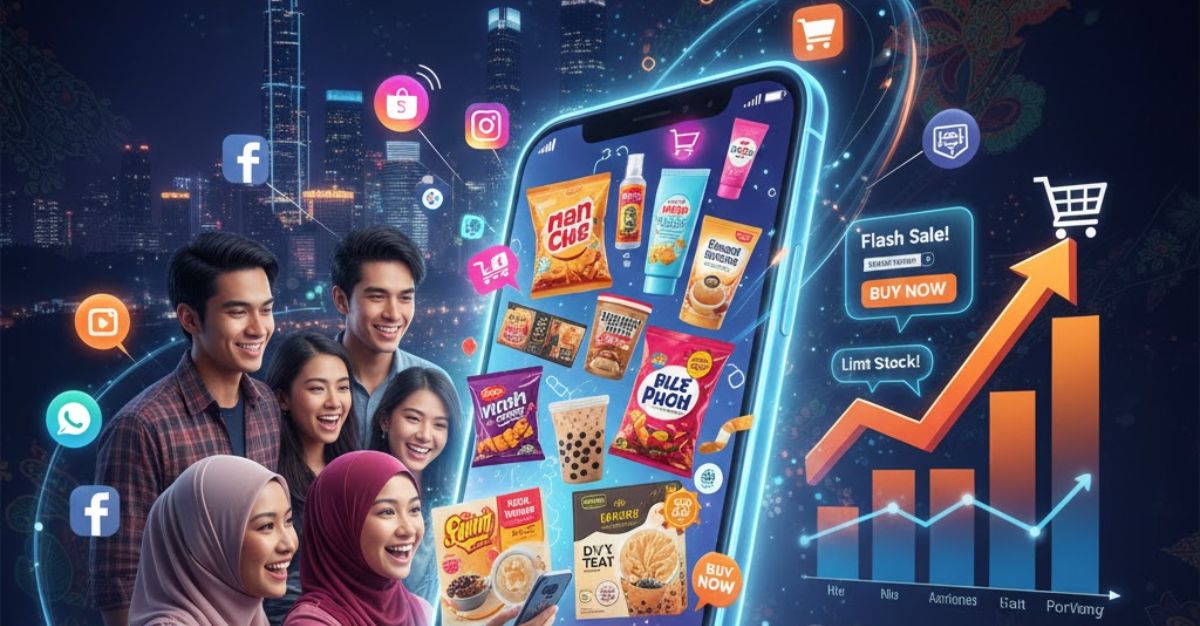
Malaysia’s shift into digital-first shopping has reshaped the entire FMCG landscape. People now discover, compare, and buy FMCGproducts directly through their phones, often within minutes.
Shopee, Lazada, TikTok Shop, and quick commerce platforms have become prime locations where Malaysian shoppers make everyday decisions on snacks, drinks, 3-in-1 instant coffee, personal care items, and even trending bubble tea kits or DIY bubble tea kits.
FMCG Online Malaysia the new default for digital and social commerce.The brands that win are the ones that move fast, understand local platform dynamics, and meet customers exactly where they already shop.
Table of Contents
Where Malaysian Consumers Actually Buy FMCG Products Online
Consumers in Malaysia now buy FMCG products through a mix of marketplaces, social commerce, brand websites, and instant delivery apps. Each platform fits different buying motivations.
1. Marketplace Dominance: Shopee, Lazada & TikTok Shop
Shopee and Lazada remain top choices for FMCG shoppers due to cashback perks, free shipping, fast delivery, and trustworthy payment flows.
Malaysians compare prices instantly, making marketplaces ideal for competitive categories like 3-in-1 instant coffee, snacks, toiletries, and bubble tea kits. TikTok Shop has grown quickly and pushes impulse purchases through short-form video content.
2. Direct-to-Consumer: Brand Sites & Apps
Brand-owned websites and apps allow companies to communicate brand identity more clearly. They help avoid price comparison pressure and encourage repeat orders through loyalty rewards. Many FMCG teams strengthen these with well-built eCommerce websites.
3. Social Commerce Growth
WhatsApp Business, Facebook Shops, and Instagram Shopping continue to expand. Social browsing flows naturally into conversion, especially for flash deals, limited editions, or product bundles.
Malaysian shoppers enjoy messaging brands directly for restock updates.
Broader discovery trends appear in our breakdown on Search Everywhere Optimisation, highlighting how brands stay visible across marketplaces and social platforms.
4. Quick Commerce: GrabMart & Pandamart
Shoppers expect 15–30 minute delivery for essentials. These platforms suit urgent purchases such as ice cream, drinks, baby products, or forgotten daily items.
5. Local Insight
Shoppers trust marketplaces more than individual brand sites because they feel safer with:
- platform-based refunds
- wallet cashback
- bundled promotions
- established logistics networks
Improving organic discovery remains useful for FMCG brands, particularly when paired with SEO services Malaysia for clearer site architecture.
The Real Cost of Selling FMCG Online in Malaysia
Going digital creates new costs. Understanding them helps FMCG Online Malaysia brands price effectively and protect margins.
1. Marketplace Commissions
Commission rates differ between Shopee, Lazada, and TikTok Shop, depending on categories and fulfillment options. FMCG sellers must calculate all fees from transaction rates till the shipping subsidy deductions.
2. Logistics Challenges
Delivery to Klang Valley remains fast and cost-efficient, but East Malaysia often faces higher fees. FMCG brands using heavy items or liquid products must plan around weight-based surcharges.
3. Competitive Pricing Pressure
Malaysians compare 10 brands within seconds. Keeping margins healthy matters, especially when shoppers expect vouchers. Smart bundling such as “Beli 3, Jimat RM10”, helps brands stand out.
4. Repeat Order Strategy
Some brands use marketplaces for visibility then guide customers to WhatsApp for second purchases. This reduces reliance on marketplace commissions and helps build stronger brand loyalty. Teams often use WhatsApp marketing to automate this flow.
A smooth product journey starts with well-designed pages, and the FMCG website design case study demonstrates how this can influence conversions.
4 Social Commerce Strategies That Convert Malaysian FMCG Shoppers
Social commerce creates unique opportunities for FMCG Online Malaysia brands to influence everyday decisions.
1. Live Selling: TikTok vs Facebook
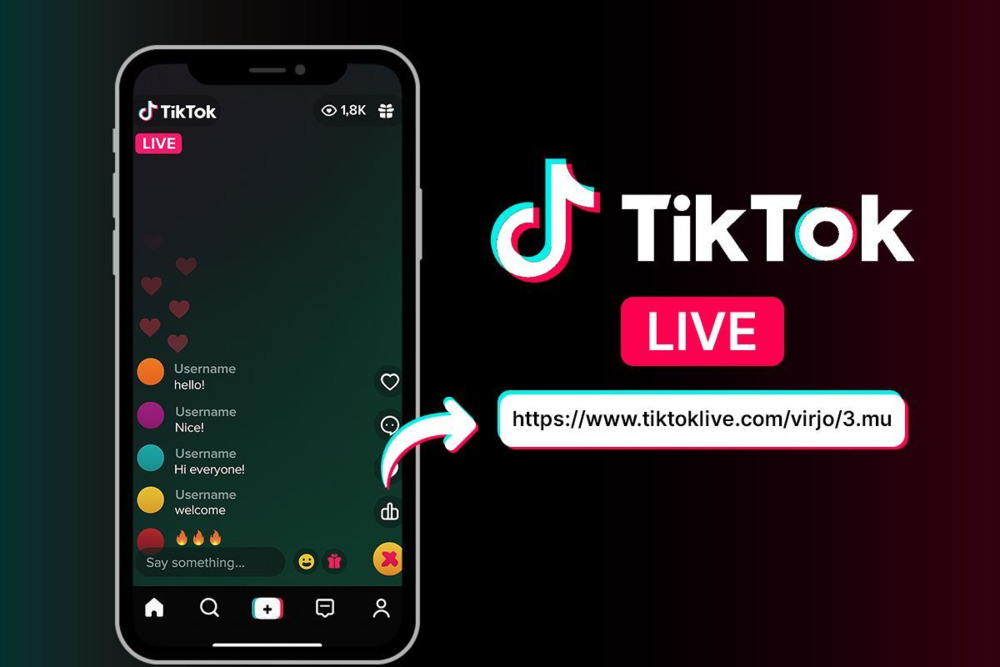
TikTok Live engages impulse buyers who prefer fast, entertaining promos. Facebook Live suits older family shoppers who enjoy explanations, bundle offers, and Q&A sessions.
2. Influencer Partnerships
Micro-influencers deliver stronger authenticity than celebrities. They show how FMCG products fit daily routines like themorning drinks, packed lunch ideas, home snacks, or weekend meals. Influencer collaboration works extremely well when paired with Instagram Ads to amplify reach.
Targeted reach plays a big role in FMCG growth, which is why many teams support their campaigns with Google Ads for high-intent traffic.
3. User-Generated Content
Reviews, unboxing videos, or daily-use clips help build trust. Malay, Chinese, and Indian customers respond well to short social videos showing how the product works, tastes, or fits their lifestyle.
4. Community Building
Facebook groups and Telegram channels create engaged micro-communities. Brands can drop exclusive deals, health tips, or recipe ideas, especially useful for bubble tea kits, cooking sauces, and beverage mixes.
Winning with Data: Inventory, Promotions & Customer Retention
Data-driven execution sits at the core of FMCG Online Malaysia.
1. Demand Forecasting
Marketplace analytics indicate which items will spike during festive weeks or rainy seasons, helping brands avoid stockouts.
2. Dynamic Pricing
FMCG brands track competitor shifts hourly. They adjust deals on key days like 1.1, 3.3, 11.11 to maintain visibility.
3. Loyalty Programmes
Reward systems like points, subscriptions, or members-only prices, encourage repeat purchases. Email sequences crafted through email marketing drive recurring sales.
4. Cart Recovery
WhatsApp reminders, push notifications, and targeted ads often recover dropped baskets more effectively than emails alone.
Some FMCG teams also explore AI influencers & digital personas for short-form videos,
7 Tools to Support SME Brands
Many small FMCG brands use affordable analytics platforms to track:
| Tool | Best For | Key Functions for FMCG |
| Shoplytics (Shopline) | Multi-platform analytics (Website, Shopee, Lazada, TikTok Shop) | Tracks SKU performance, identifies profitable bundles, analyses purchase behaviour, monitors cart actions and conversions |
| Datadot | Marketplace intelligence | Monitors competitor pricing, tracks top FMCG search keywords, identifies sales spikes, reviews platform-level category trends |
| Inventory Planner | Demand forecasting & stock planning | Predicts stock needs based on sales history, prevents stockouts, optimises inventory for short-shelf-life items |
| Zoho CRM / GrowCRM | Customer retention & repurchase cycles | Tracks loyalty behaviour, segments high-frequency buyers, automates repurchase reminders through WhatsApp and email |
| Ginee / Klikit | Multi-platform stock & order management | Syncs stock across marketplaces, analyses bundle performance, automates fulfilment routing |
| TradeHero / TTR | Retail field & SKU performance | Tracks SKU movement, identifies fast-moving items, monitors stock gaps across physical retail partners |
| Omnilytics | Pricing & retail benchmarking | Analyses category pricing trends, identifies seasonal demand shifts, monitors competitive positioning |
Navigating Malaysian E-Commerce Regulations & Payment Preferences
Understanding local rules helps ensure smooth FMCG Online Malaysia operations.

a. Halal Certification Display
Food and beverage brands must show valid Halal status clearly. This applies across marketplaces, websites, and social commerce pages.
b. Transparency Rules
MCMC guidelines require honest descriptions, accurate pricing, and proper disclosures for promotions or influencer partnerships.
c. Payment Preferences
Pay Later options increase conversion significantly. Malaysians frequently choose Touch ‘n Go eWallet, Boost, GrabPay, and FPX for quick checkout.
d. Tax Implications
SST applies to many FMCG categories. Brands must evaluate their category status to avoid compliance issues.
Start Small, Scale Smart: FMCG Online Malaysia Growth Roadmap
The FMCG shift in Malaysia is unmistakable. Shoppers compare brands instantly, buy through marketplaces, and respond to social content within minutes. Digital readiness is now essential.
Begin with one strong platform from Shopee, TikTok Shop, or Lazada. Test small, refine your listings, and adjust based on real shopper behaviour. Brands that adapt quickly lead the market.
To strengthen your FMCG digital growth,partner with Newnormz, digital marketing agency, build better marketplace visibility, or improve your social commerce performance, our team can help develop a strategy that fits your goals.
Frequently Asked Questions